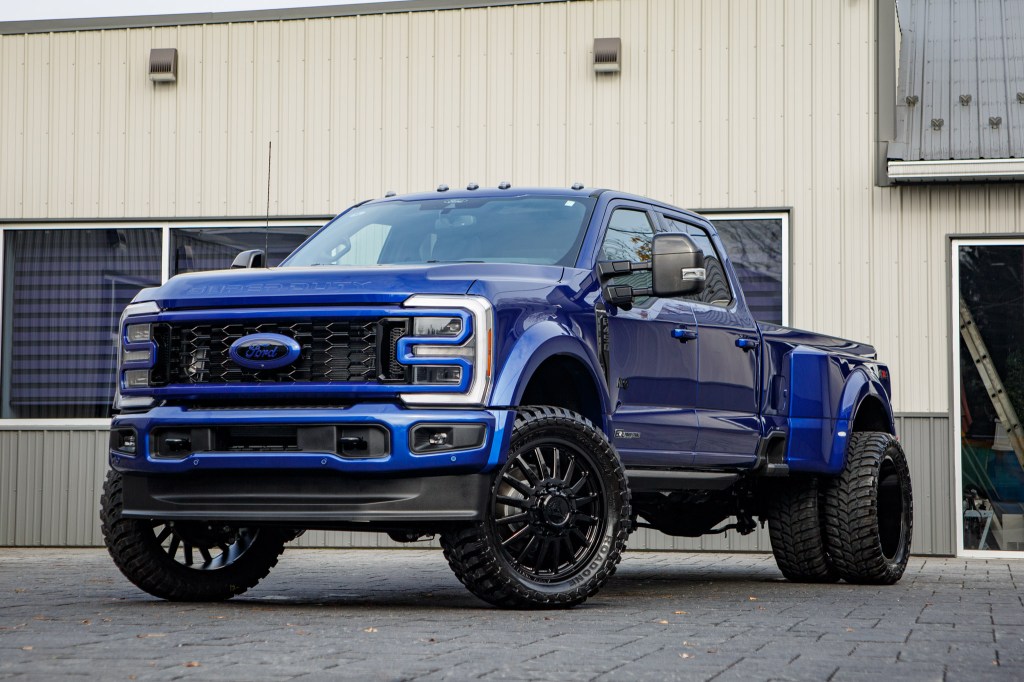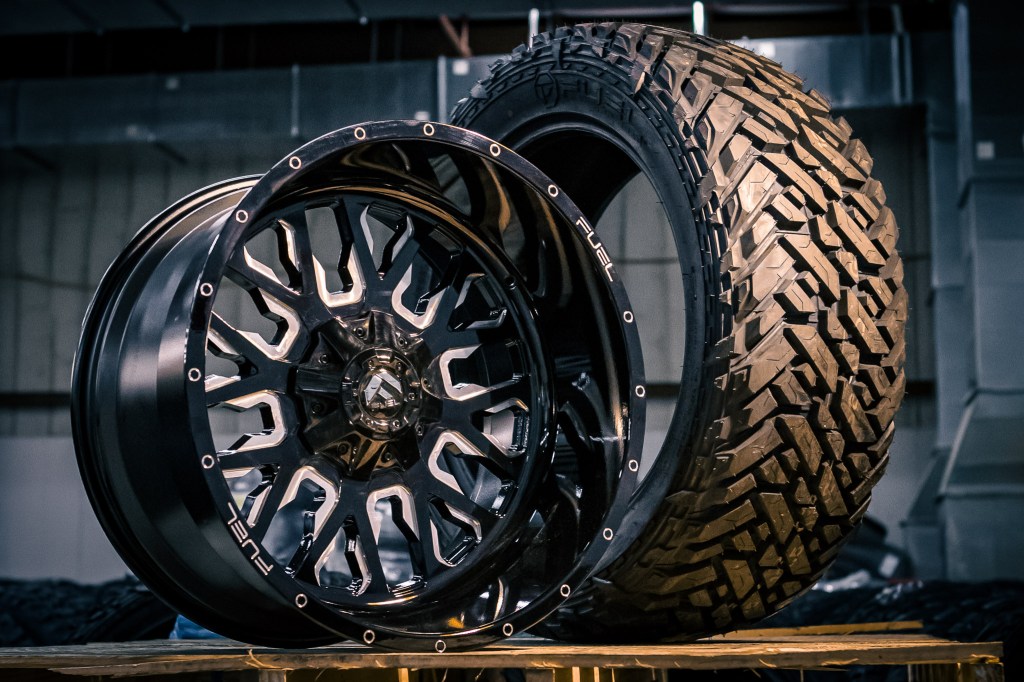
Buying wheels involves a lot more than just how they look. Here’s a complete guide to truck wheel fitment: from offset to load rating, and everything in between!
Wheel Width and Diameter
Wheel size, which is determined by width and diameter, is a major influence on appearance and tire sidewall. Wheel size is usually displayed in a numerical format. For example, a wheel with a diameter of 22 inches and a width of 12 inches is formatted as 22×12. Diameter is the length from one edge of the wheel’s rim to the other, and width is measured across the portion of the wheel where the tire mounts.
When paired with equally sized tires, larger wheels create a shorter tire sidewall. Smaller wheel diameters make for a taller sidewall. To retain a higher sidewall with larger wheels, tires can be sized up accordingly. Width plays a significant role in wheel fitment. Wheel dimensions are not universal. The proper width is dependent on your vehicle type: 22×12 wheels may fit one model easily, but could need modifications to fit another.
View our selection Off-Road WHeels!
Backspacing and Offset
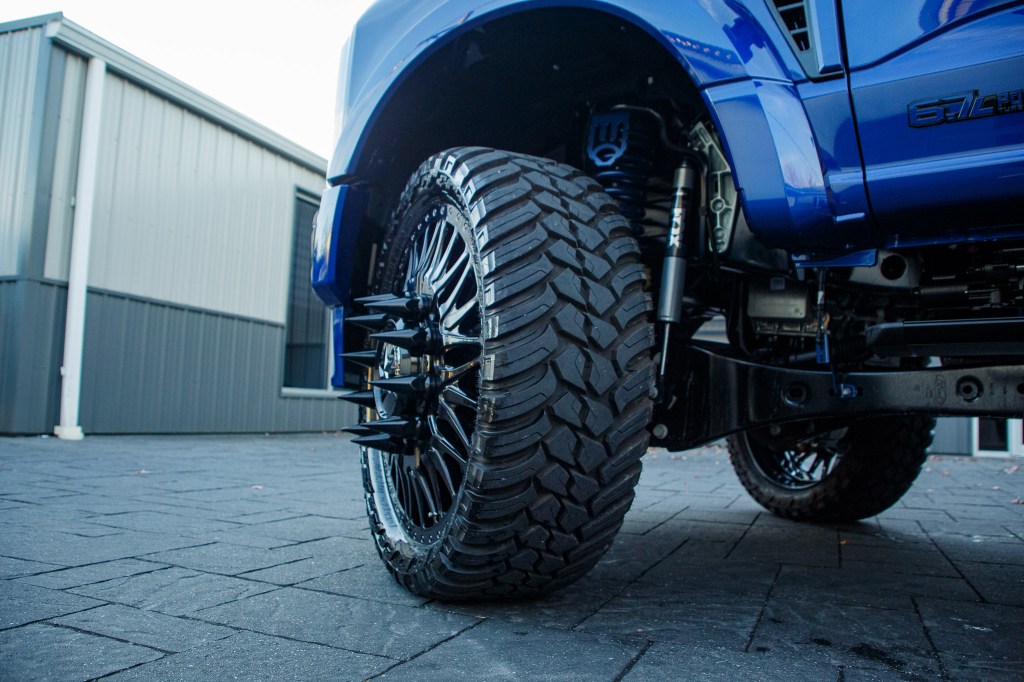
Coordinating potential backspacing and offset values is essential to finding the correct measurements and sizes for your wheels. Backspace is the length from the back of the lip to the area where the wheel attaches to the hub. The amount of backspacing determines how much offset you’ll need. Proper backspacing allows the necessary suspension components to fit behind the wheels.
Offset is the measurement from the center line of the wheel to it’s mounting surface. It’s represented by positive and negative numerical values, with higher positive numbers meaning a wheel that is further toward the vehicle. Most factory trucks have an offset of +38 or +42. Negative offsets such as -44 result in wheels that stick out several inches from the wheel well.
Backspacing and offset are closely related, but not the same. Clearly define each value and make sure to research what measurements are recommended for your vehicle.
Center Bore and Bolt Pattern
Bolt Pattern is the alignment of the wheel’s openings to the studs on your hubs. Bolt pattern is formatted in a two-number layout, similarly to wheel size. The first number is the number of bolts, and the second indicates the width of the bolt setup. Each vehicle is different, but most 1500-level trucks come with a six lug bolt pattern. For example, an F-150 with six openings and a width of 135 has a bolt pattern of 6×135.
Some wheels are dual drilled, meaning they’re designed with mounts for both 6×139 and 6×135 patterns. Others come with caps, which need open-ended lugs to fit properly. There is a lot of variation between bolt patterns on heavy-duty trucks, with almost every model and generation having it’s own pattern.
The wheel’s center bore is the large opening in the middle that attaches to the vehicle’s hub. The center bore must be correctly sized in order for the wheels to fit. It’s an often overlooked yet important aspect of wheel fitment.
Tire Size and Load Rating
Obviously, tire sizes must be properly coordinated with the wheels. A 35×12.50R22 tire must be paired with a 22-inch wheel. The “R22” value indicates the rim diameter that properly fits the tire. This is an easy way to determine what the tire options for your wheel will be. Tire width must also be compatible with the wheels.
Incorrect tire width can cause instability and possible detachment of the wheels from the tires. If tires are too narrow for the wheels, tire stretching will occur. Stretching is acceptable within the manufacturer’s approved specifications, but can cause damage in excess.
Load rating is the amount of weight that a wheel is designed to support. This is especially important to consider for towing and heavy-duty work, or for vehicles under consistent stress. Even properly rated wheels can still be damaged by certain obstructions such as potholes or other impacts.
How Does Your Lift Affect Wheel Choice?
Your suspension can effect the performance of your wheels and tires, and vice versa. While it’s important to find a wheel that matches your desired appearance, they must also fit properly with your suspension setup. For example, 22×12 wheels are an ideal fit with a 6″ lift kit, especially when paired with 35″ tires. Smaller lifts and leveling kits will not be able to fit the wheels. There are also specifications regarding vehicle type and model, in order to keep the suspension components from interfering with the wheels. Newer Chevrolets can only retain a positive offset with additional wheel spacers. Another factor to consider is that once suspension height is raised, it cannot effectively be lowered back down. If you’re building for a specific purpose, keep that in mind as you select sizes for suspension, wheels, and tires.