Find out everything you need to know before buying a bed cover! This guide covers the difference between soft and hard material, fitment details, and more!
Why Should You Want a Bed Cover?
There are many reasons to install a bed cover, also known as a tonneau cover, on your vehicle. They offer protection from extreme weather conditions and can slightly improve your gas mileage. Bed covers also a surefire way to prevent your cargo from bouncing out of the truck while traveling – or being taken out when your truck is parked.
Like most other aftermarket upgrades, the ideal bed cover for your truck depends on how exactly you plan to use it. No bed cover is generally regarded as “best”. There are a variety of options to choose from, all differing in price, fitment, and material.
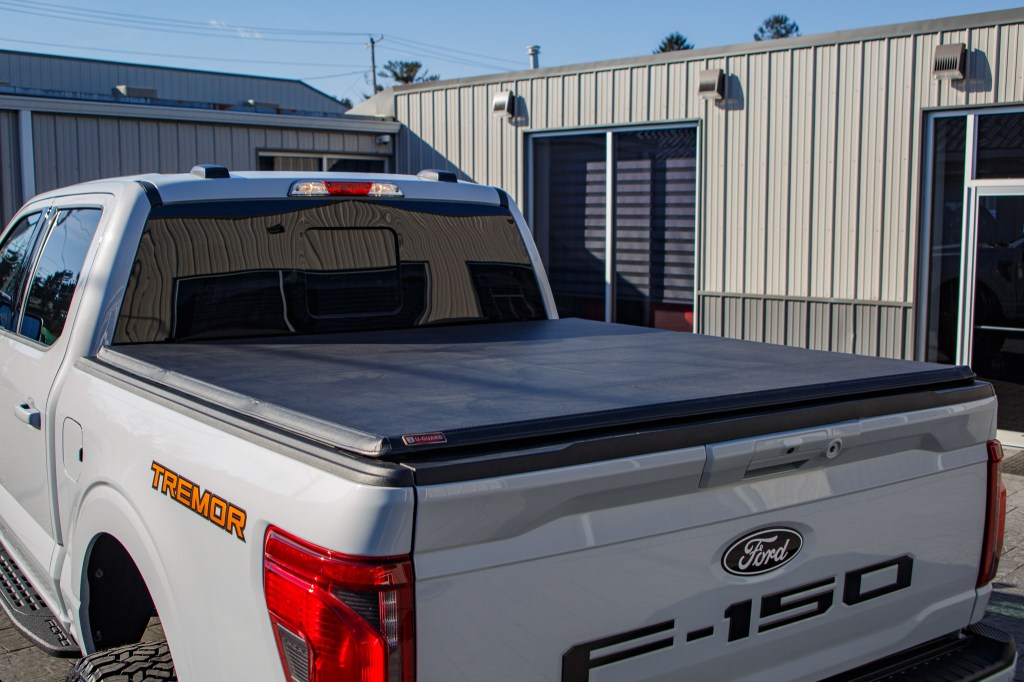
2025 Ford F-150 Tremor with a soft tri-fold bed cover. View additional photos and aftermarket upgrades!
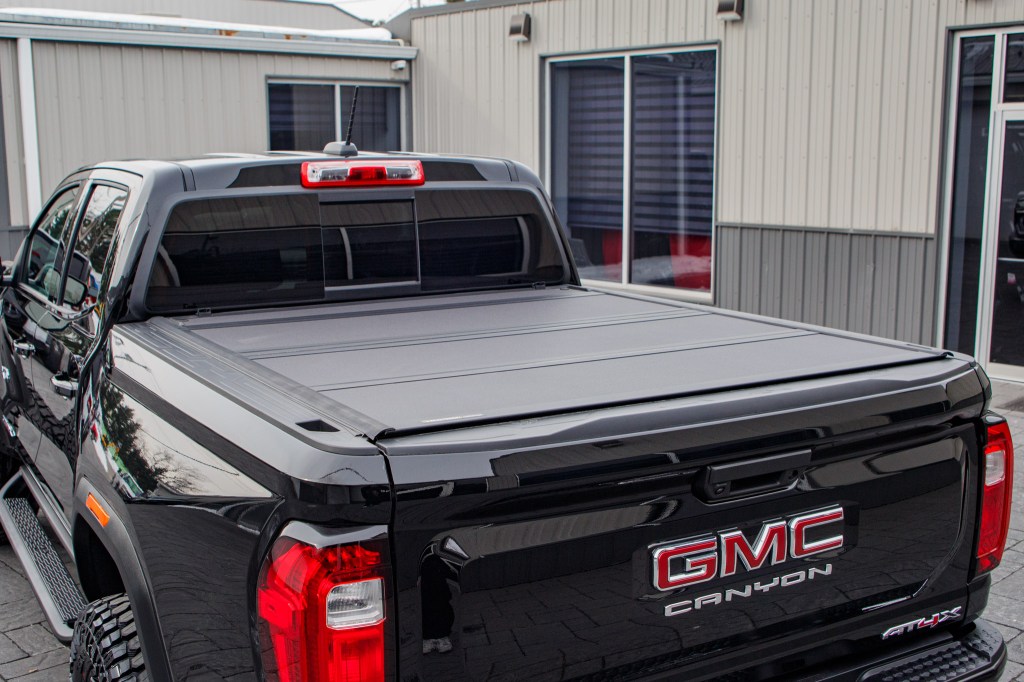
2025 GMC Canyon AT4X with a hard tri-fold bed cover. View additional photos and aftermarket upgrades!
Soft Roll-up Cover
These bed covers are the most common and affordable, making for an ideal entry-level option. Soft roll-up covers are made of a vinyl-type material, secured on the sides with Velcro and opened by rolling the cover towards the cab using rails.
They’re well suited for daily driving, and the flexible material leaves the most space for cargo. Soft roll-up covers work well for light travel and hauling recreational gear, and are easy to open and remove.
Due to the softer material, these covers are less durable and more easily susceptible to damage or theft.
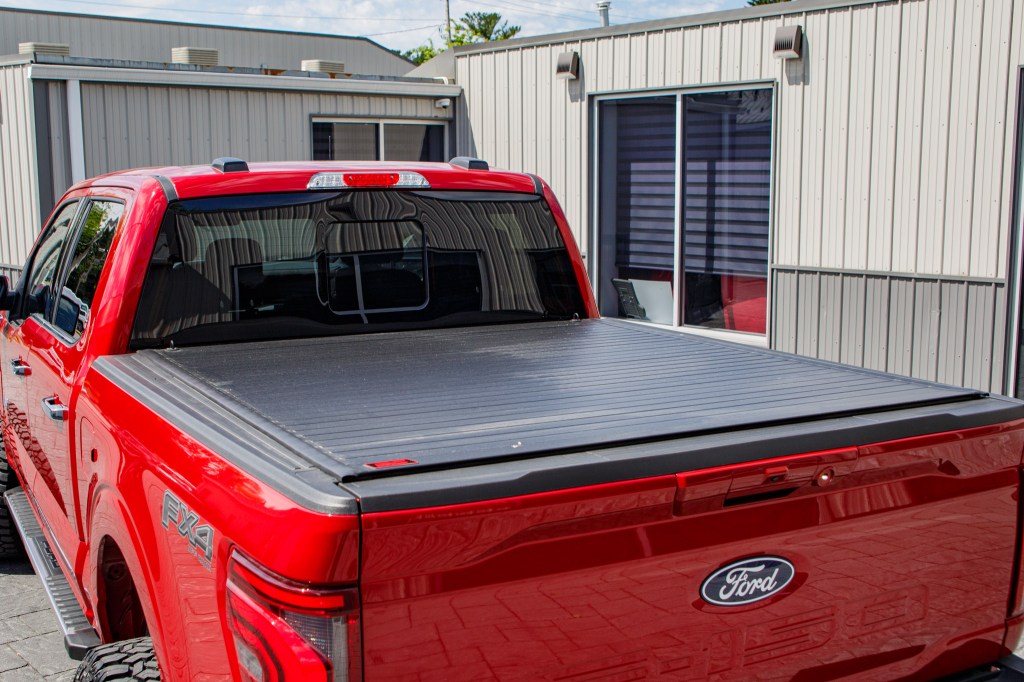
2025 Ford F-150 with a hard roll-up bed cover. View additional photos and aftermarket upgrades!
Hard Roll-up Cover
Hard roll-up covers are a more durable version of the soft cover roll-up, using sturdier metal panels and a stronger rolling structure. They still use the same rail system to open and close.
The hard panels are more difficult to puncture or pry open, offering better protection for valuable cargo. Unlike softer roll-ups, they’re able to handle additional weight from snow or other cargo on top of the cover. Without the Velcro siding, these covers are also easier to maneuver and close.
One drawback of the sturdier panels is that they take up more bed space when the cover is fully rolled open.
Retractable cover
The retractable bed cover is one of the more premium options. They come in both manual and electric varieties, with the remote-operated electric covers costing slightly more. Retractable covers are the most convenient option – the cover slides smoothly into a canister near the cab.
These covers have better water management than most roll-ups, with drain tubes and systems in place to clear water from the bed and canister. While some bed covers have better water resistance than others, no cover is truly waterproof.
The retractable system is efficient but requires proper maintenance to ensure a smooth operation every time. the rails must be cleaned and the cover must be retracted evenly to prevent jamming or misalignment. The holding canister also takes up space in the bed, even when the cover is closed.
QUESTIONS? Contact Us!
Shop Available Bed Covers Today!
Tri-fold Cover
Tri-fold bed covers are regarded as the most popular type, known for their versatility. Instead of rolling up the bed, it folds into panels that rest against the rear window when fully opened. Due to this, the rear window is obstructed when the cover is open.
There are several variations of tri-folds. Full flip-up covers maximize bed access and use support rods to hold the panels in place. Standard tri-folds only fold partway up the bed, leaving some of it covered. Soft tri-folds use a similar vinyl material to the roll-up covers while retaining the panels.
Tri-fold bed covers are an optimal mix of durability, accessibility, and convenience. some models include T-slot rails designed to fit roof racks, or larger cargo such as a kayak or overhead storage containers.
Bed Cover Fitment Tips
Your intended cargo or travel tendencies are not the only thing you need to consider before choosing a bed cover. Your truck’s make, generation and the size of it’s bed directly effect how a bed cover may fit. Check your manufacturer’s compatibility with different covers. An incorrectly sized bed cover can result in leaks, gaps, and poor fitment overall. Certain truck models and manufacturers may include elements that can impact cover fitment. For example, the RamBox cargo system or GMC’s CarbonPro beds may not have typical cover compatibility.