Not every truck upgrade is a good idea. Learn more about customer requests we turned down, and why we decided to say no.
OVERVIEW
Most shops will do whatever a customer asks for. At Krietz Customs, we’d rather lose a sale than complete a build that isn’t safe, reliable, or satisfactory to the customer.
This guide covers several real-life examples of build requests that we turned down, and why saying “no” was the best decision for the customer. Our goal is to build vehicles that look great, drive well, and meet our customers’ needs.
Questions?
All Customization Offers
Stacking Lifts
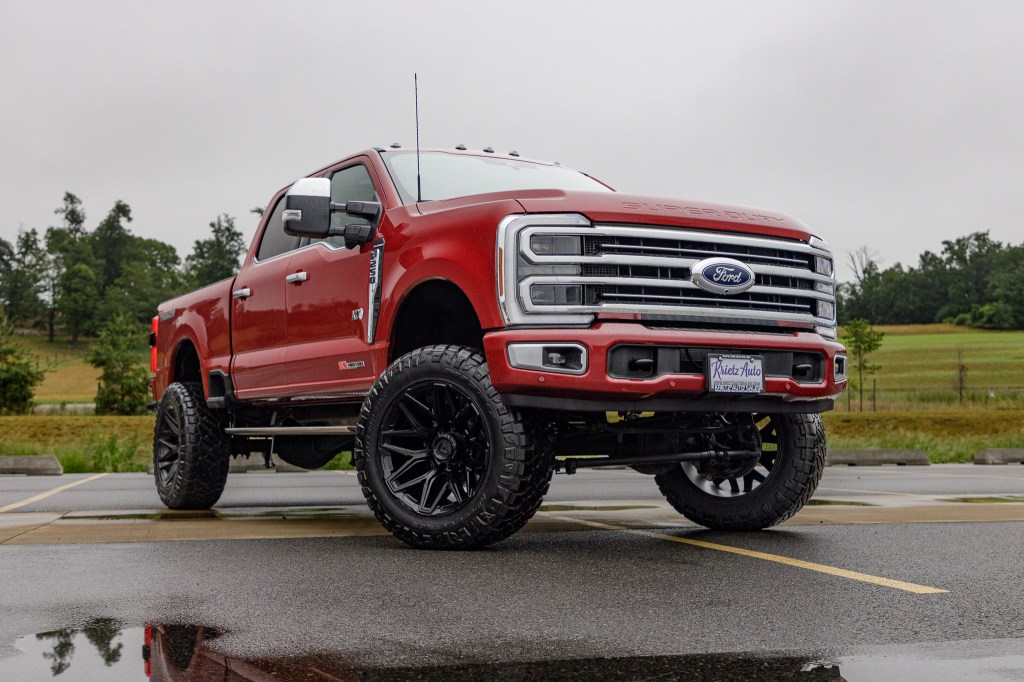
Parts such as strut spacers are designed to pair stock struts with aftermarket suspension kits. However, you cannot pair an aftermarket lift with an existing leveling kit or stack another lift on top of the first. While this can be a cost effective method in the short-term, It’s a major risk for the integrity of your suspension and significantly decreases the quality of your ride. It’s important to invest in the highest quality parts you can afford, rather than make upgrades just for the sake of making them.
35″ Tires on a LEveling Kit
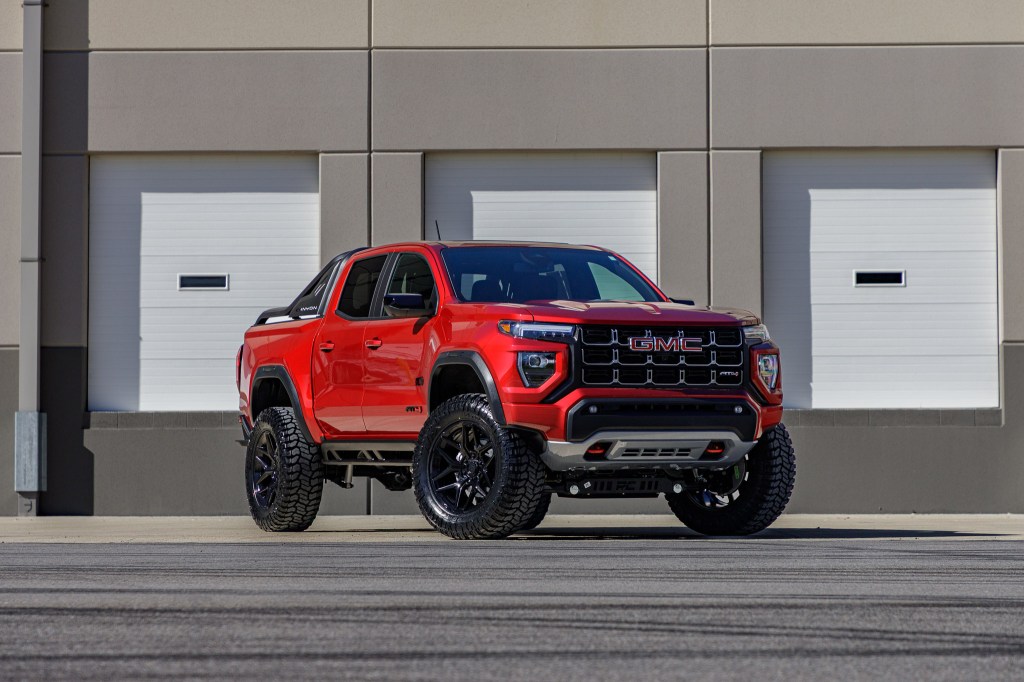
While a leveling kit may leave a few inches of extra space between the tires and fenders, installing 35″ tires will interfere with many of the other components inside the wheel well. Improper fitment can also result in rubbing and other issues. Upper control arms, crash bars, and parts of the fender molding can all be effected by wrongly sized setups. Correct fitment is important and involves more than just the diameter of the tires, especially when turning. A 33″ tire or smaller wheels are a much better choice when running a leveling kit.
Wheel Spacers
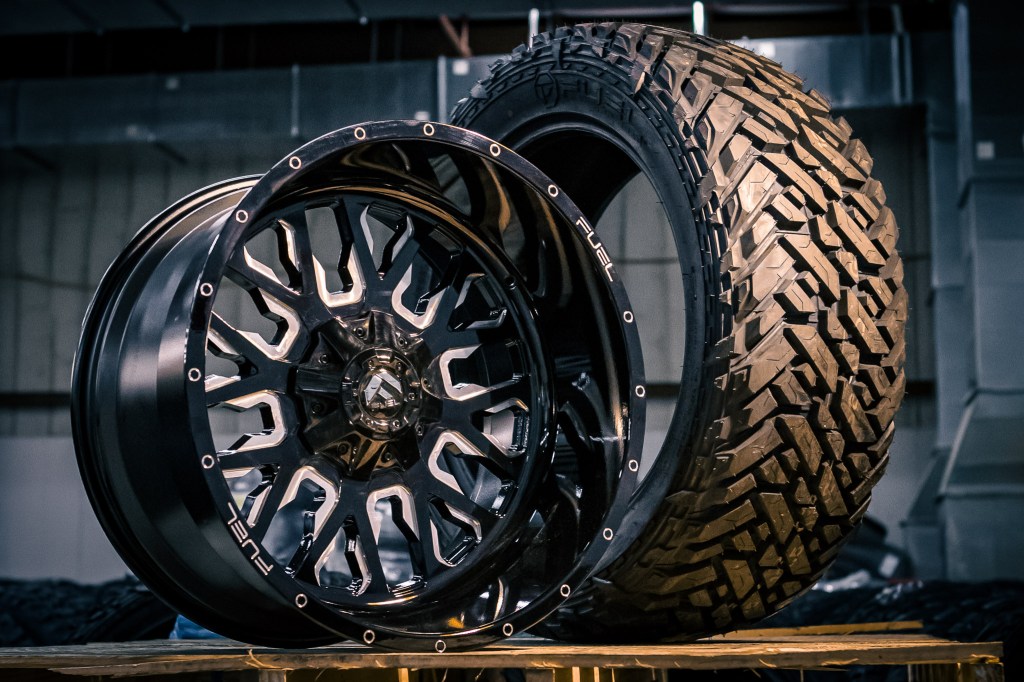
Wheel spacers are typically used as a quick fix for wheels that don’t properly fit the vehicle or have an incorrect offset. This is especially common on trucks with suspension components that interfere with wheel fitment. However, these spacers move the wheels and redistribute their weight and force. While there are some occasions where wheel spacers are appropriate, they can increase leverage on wheel studs, create problems with lug nut engagement, and cause component failure if not properly configured.


Bigger isn’t Always Better
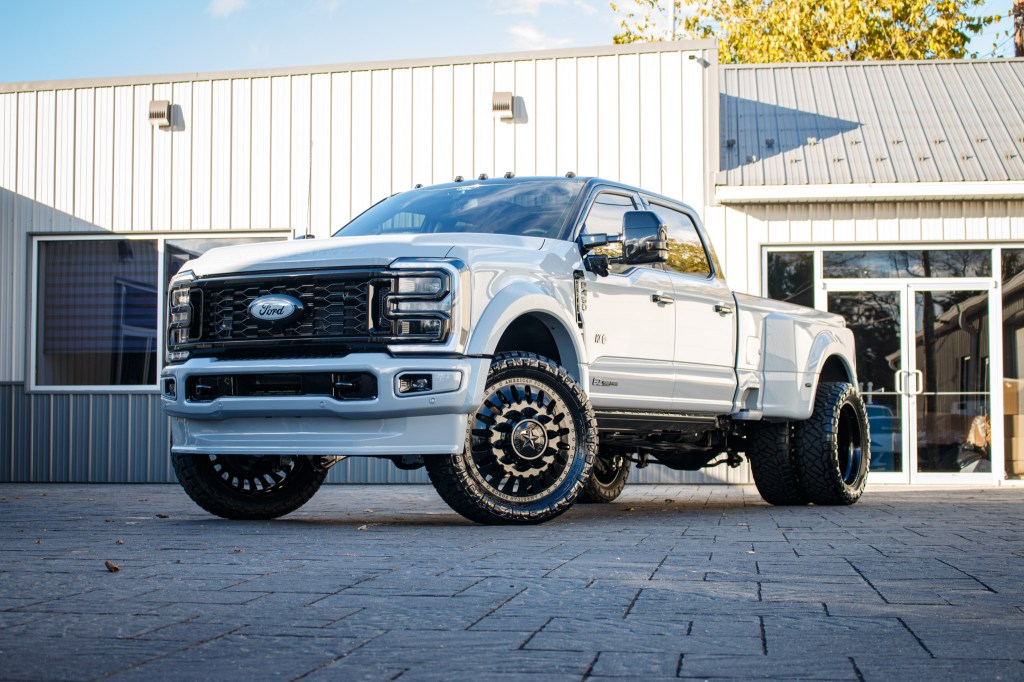
The largest possible lift kit, wheels, and tires are not automatically the best choice. While extreme suspension kits and 37″ tires may look impressive, some of these upgrades are unnecessary for most drivers and may contribute to more strain on the vehicle. If you’re towing cargo or carrying a fifth wheel, your recommended part sizes change significantly. Heavy-duty towing setups function more efficiently with a smaller lift (around three inches) and 35″ tires. Additional high-quality suspension components help to improve load support and prevent sagging on the rear end of the vehicle. Rather than focusing your budget on making the truck physically bigger, determine which upgrades make your truck more capable mechanically, and better suited for its intended job.