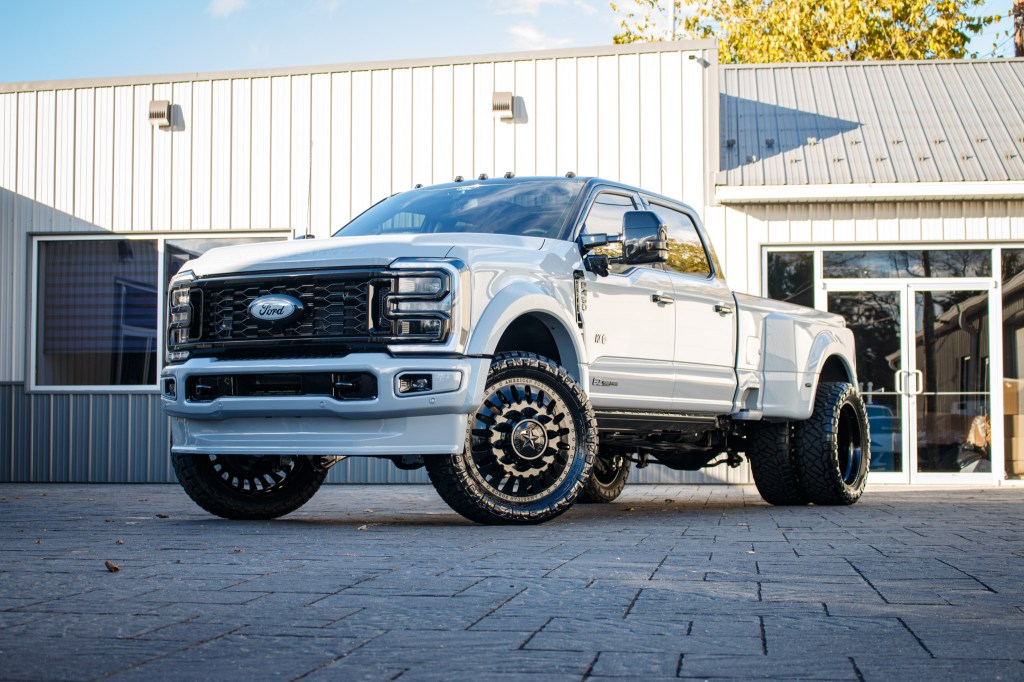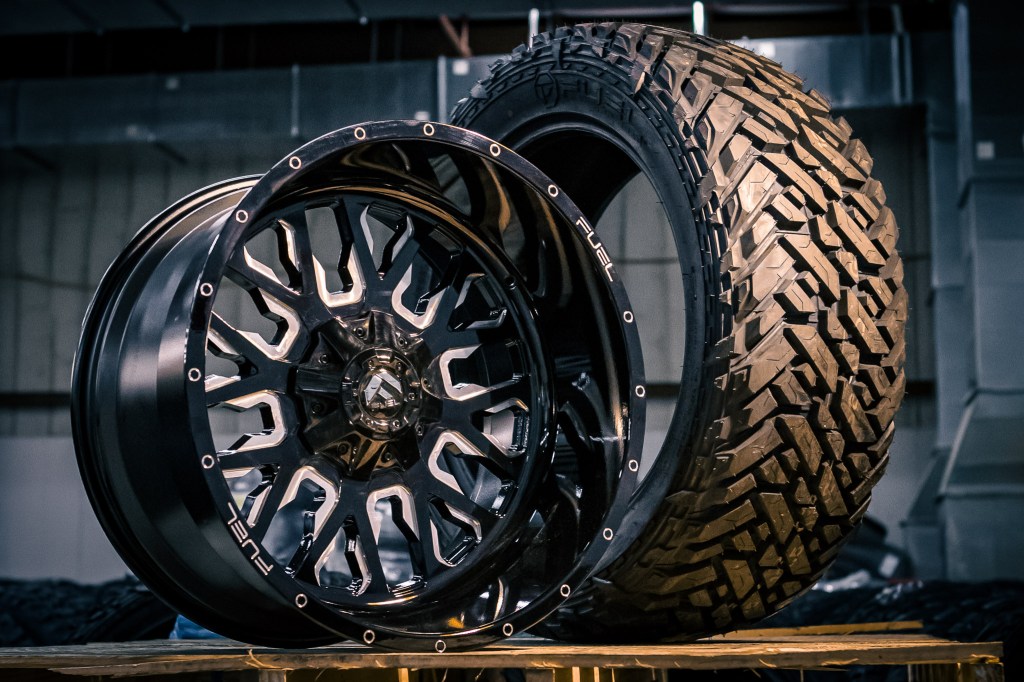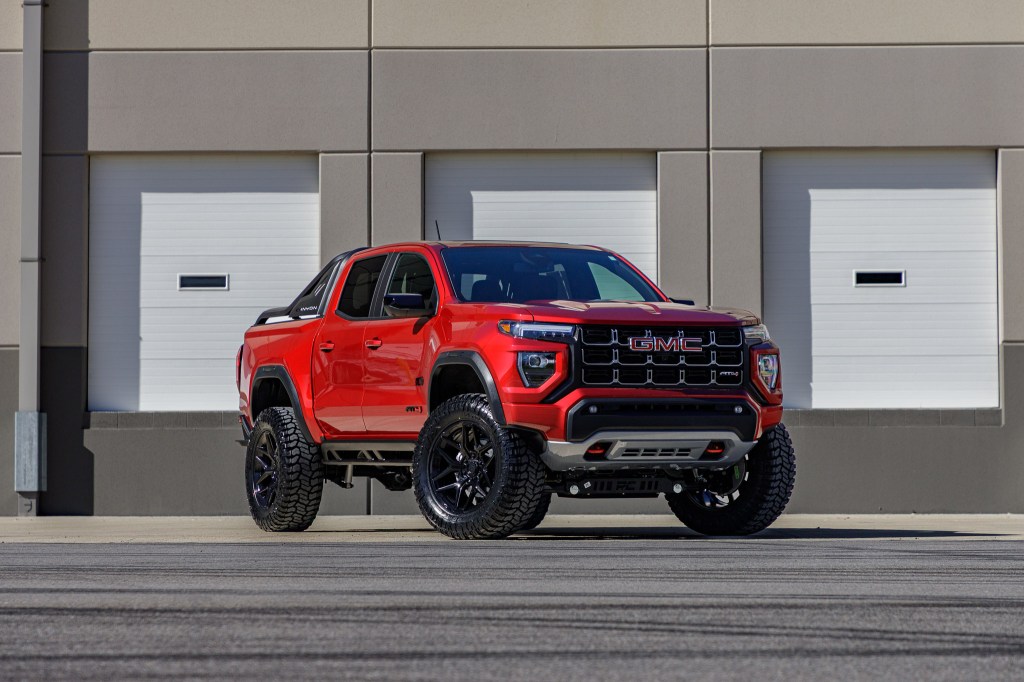
Lifted trucks are everywhere – but what’s it like to own and drive one every day? Explore the pros and cons of lifted trucks, and find out what you should know before you build.
OVERVIEW
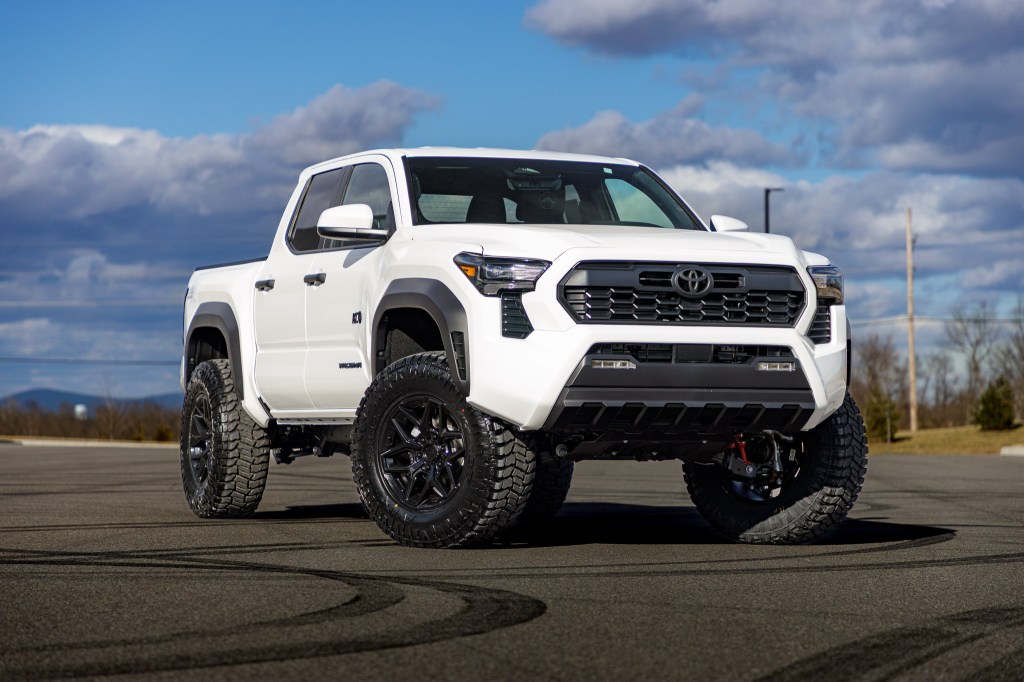
Lifted trucks are always nice to look at, but owning and driving one is a completely different story. Here’s the truth about what you should expect when lifting your vehicle.
There are many elements to lifted truck and SUV ownership that can be overlooked without proper research and preparation. From looks and off-road ability to ride quality and cost, this guide is an honest breakdown of the benefits and drawbacks of ownership.
Questions?
All Customization Offers
PROS
Aggressive Look and Presence
Lifted vehicles immediately stand out from the crowd with bold suspension and sleek wheel-and-tire packages. Modern stock trucks are appearing less aggressive, but lift kits are more than capable of evolving your stance. However, the benefits to these setups are not just visual. Lift kits level out the stance and offset the factory rake that raises the rear of the truck. (If you’re planning to tow, the rake is necessary to evenly distribute cargo weight.)
Cons
Ride Quality Can Suffer
This isn’t a guarantee for all lifted builds, but improper fitment or cheap parts will result in a lower quality ride. Buying from non-reputable brands or choosing cheaper suspension elements will usually equate to a harsher ride. However, this isn’t always true. Brands such as Rough Country specialize in manufacturing budget-friendly parts without sacrificing quality. Larger tires can also cause a rougher ride due to their thicker sidewalls and ply.
Better Off-Road Capability
Aftermarket upgrades can transform your vehicle into a high level off-road performer. While most drivers today purchase lift kits for the look, they were originally designed for the purpose of improving ground clearance for off-road driving. There are certain suspension kits and other upgrades that are designed specifically to perform off-road. Larger wheels and tires make it easier to navigate extreme terrains, and the tires can be deflated slightly to improve overall comfort.
Commanding Driving Position
The stance of a lifted vehicle allows it to dominate the road it’s driving on. Increased height allows for increased visibility and a better view of the horizon, which is critical when driving through tall brush or other off-road obstructions. These vehicles are also better suited for driving in extreme weather conditions such as flooding or snowstorms. The wider stance also improves wind resistance.
It’s important that owners enjoy the vehicle they drive, no matter what it is. Building and driving a lifted truck is worth the sacrifices if it’s something you’re happy to drive each day.
Higher Cost Of Ownership
The most obvious drawback of lifted vehicle ownership is the higher cost. The extra expenses don’t end when you’re finished with your build. Lifted vehicles require additional attention and maintenance in order to ensure that aftermarket upgrades are functioning correctly and aren’t interfering with the existing parts. Account for the additional wear and tear that comes with altering shocks and other components, and do not neglect routine maintenance. Don’t forget to consider the changing market prices when purchasing parts. Aftermarket prices are constantly fluctuating and parts will often cost more as the years go by.
Daily Driving Challenges
Unfortunately, not all roads and cities are designed with lifted trucks in mind. Some lifted vehicles won’t fit in standard parking garages or down narrow streets. Always be aware of where you’re driving and turning. Fuel economy is another factor that effects your daily driving experience. Major changes in lift, wheel, and tire sizes will contribute to a lower MPG and worse fuel efficiency. Some of these drawbacks can be corrected with bed covers and other aerodynamic improvements, but they cannot be completely reversed.