Seven Ways to Fix Ride Quality
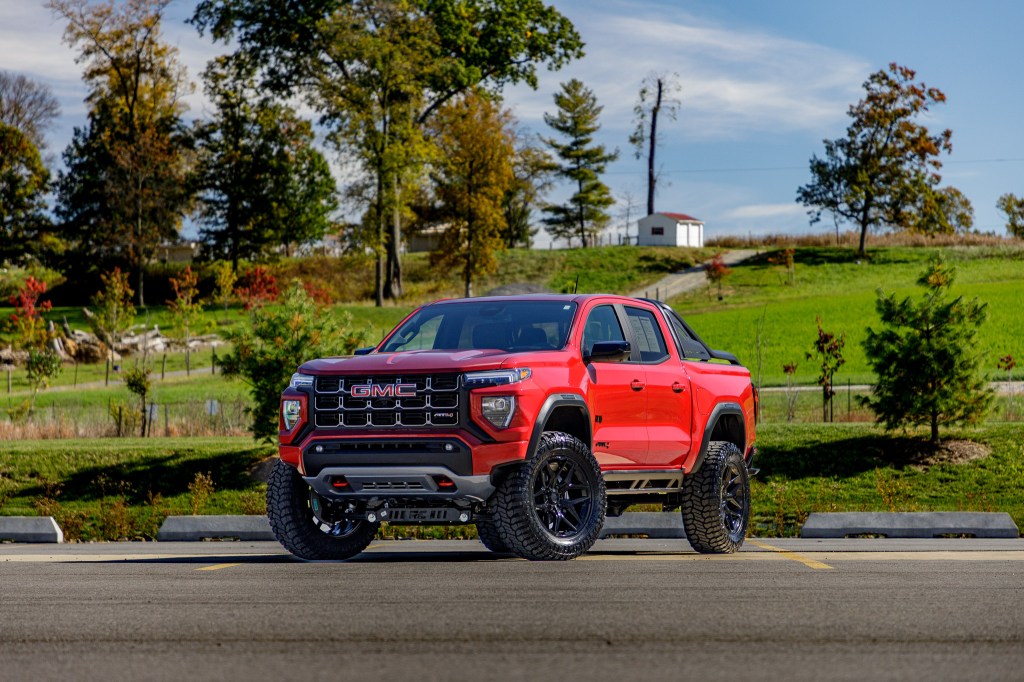
A lifted truck doesn’t have to ride rough. Learn more about the top ways to improve the quality of your ride, from shocks and tires to suspension geometry and proper setup.
SHOCKS, Tuning, and Adjustment
- Choosing the right shocks is one major factor that influences a lifted truck’s ride. Rough Country offers several budget-friendly shock options alongside their vertex shocks, which are slightly more expensive.
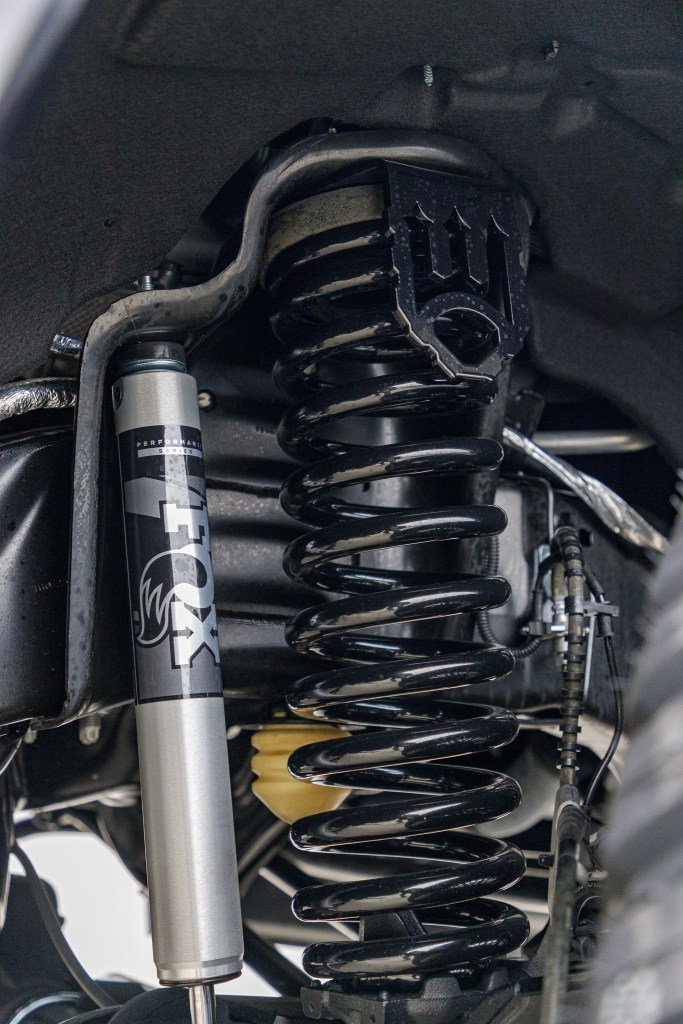
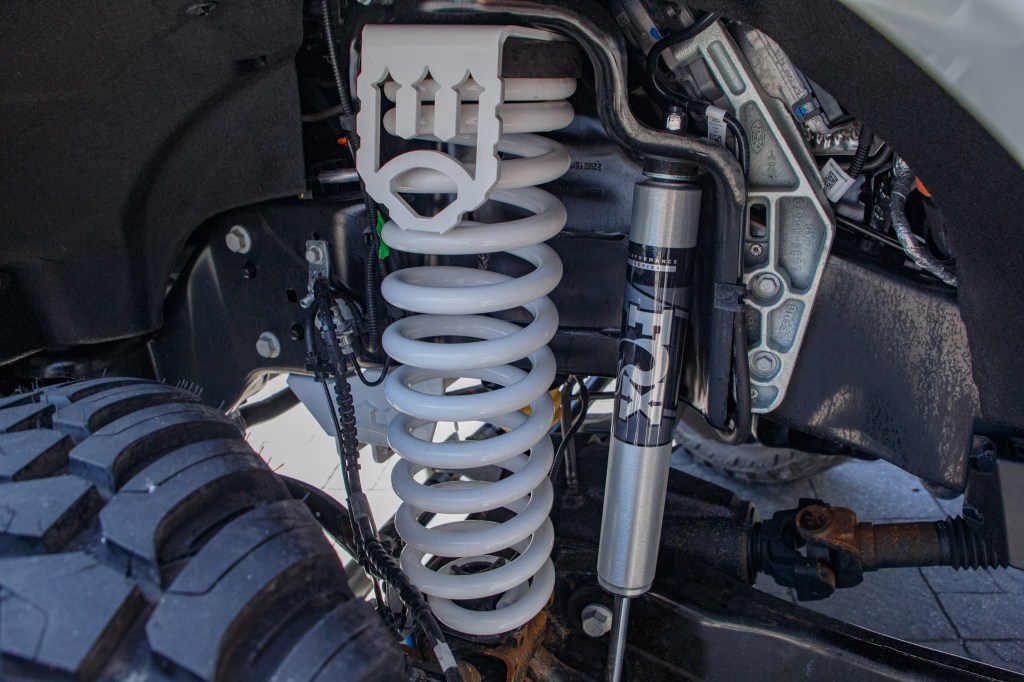
- Fox Performance Series shocks are known for their reliability and comfort. Typically priced around $1000, these shocks are an ideal fit for most vehicles that won’t break the bank.
- Reservoir Shocks, such as the King 3.0, are top-level shocks with improved durability and cooling ability. These shocks are designed for prolonged use in a variety of road conditions.
- Heavier trucks including 2500s and 3500s require additional support, such as a V2 or Reservoir shock, to account for the vehicle’s increased weight.
- While M1 shocks are usually adjustable only by height, higher-quality shocks are able to stiffen or loosen the ride of your truck via an adjustable knob.
- For everyday driving, adjustments to the shocks are mostly unnecessary. For bumpy terrains or off-road driving, softening or loosening your shocks will improve the ride quality.
TIRES AND AIR PRESSURE
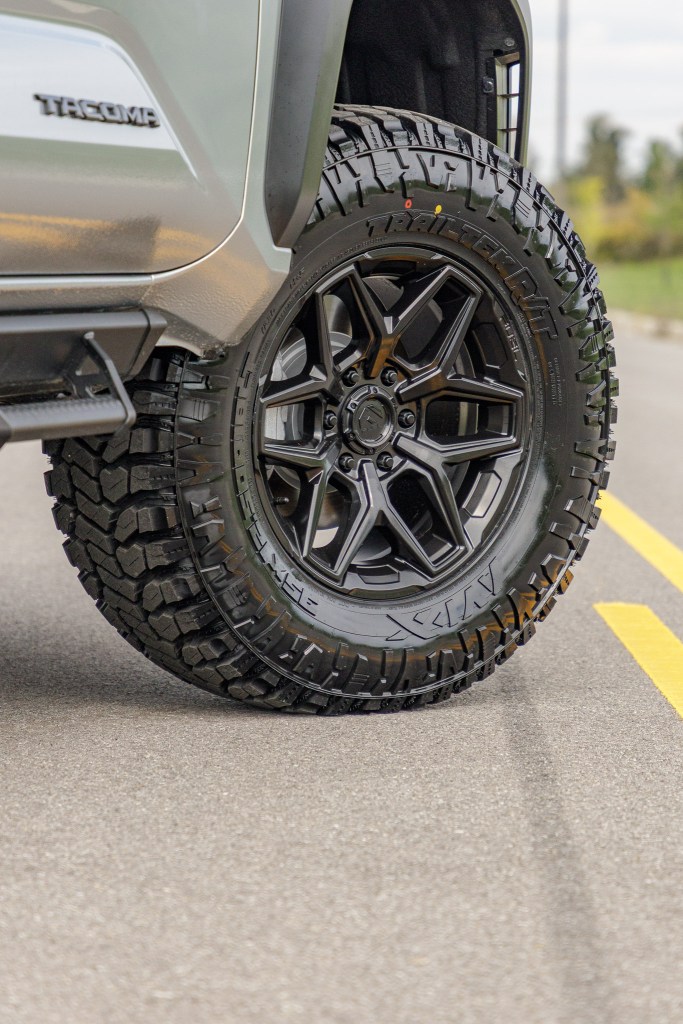
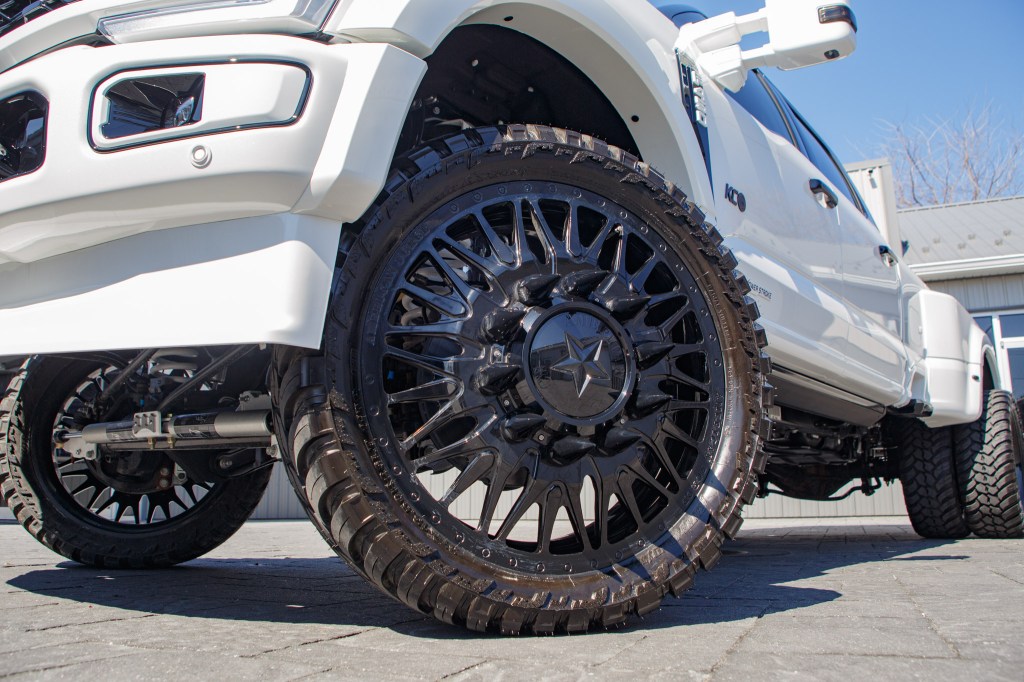
- You don’t have to sacrifice the comfort of your ride when installing larger tires. Tire pressure is a more significant influence on ride quality than tire size.
- inflating your tire to the maximum recommended PSI results in a rougher ride. For tires with a suggested maximum of 80 PSI, inflating to 55-70 PSI allows your truck to better absorb bumps and changes in terrain.
- Tire type also influences ride quality. For 2500s and 3500s, F load tires are recommended to reinforce the vehicle while hauling. While not as common, E load tires are still compatible with larger trucks.
- When purchasing tires, make sure their ply rating, which determines strength and load capacity, is suitable for the weight of your truck and its cargo.
- Mud-terrain (M/T) tires feature a more aggressive tread pattern, making them louder than stock all-season tires. All-terrain (A/T) or Rugged-Terrain (R/T) tires are a middle-ground option, with a slightly smoother and quieter ride.
- There is some variation between tires, with factors such as price and brand influencing how they ride.
SHOP Aftermarket Upgrades today!
Suspension and Upper Control arms
- The proper assembly of your vehicle’s suspension is critical to ride quality and functionality. For lift kits over four inches, additional cutting of the crossmembers is required. Vehicle suspension must be paired with the correct drop brackets, upper control arms, and other components.
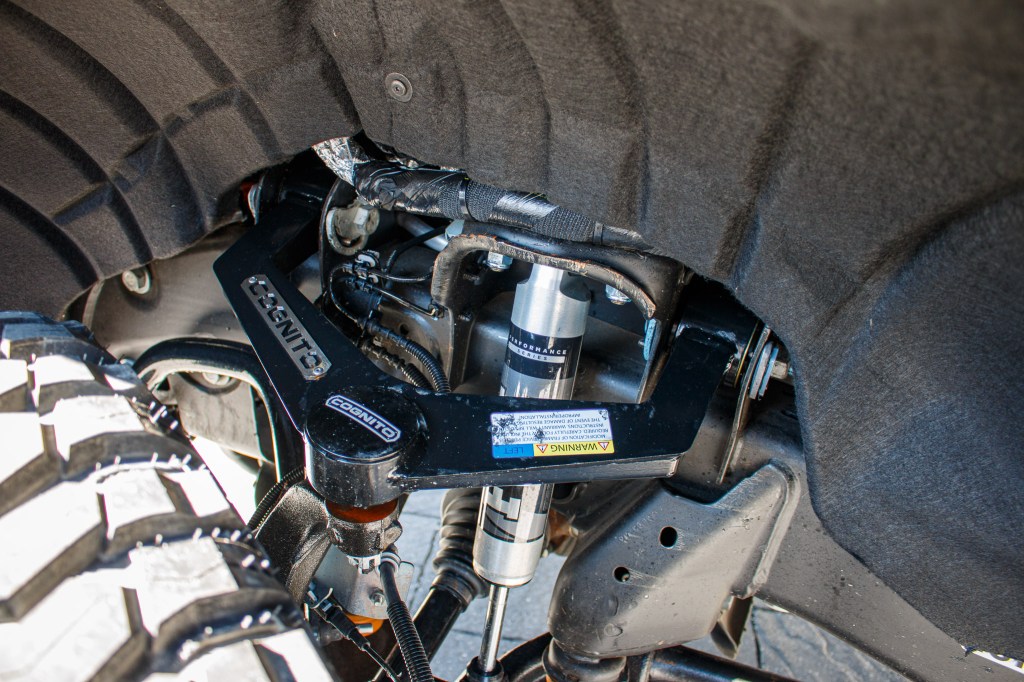
- Purchasing suspension kits from reliable brands including Rough Country, BDS, or Cognito is the best way to ensure your suspension will have all of the necessary parts.
- Once the suspension is installed, it’s important to properly align the vehicle and lift kit. A four-wheel alignment is the best way to prevent wobbling in the steering wheel and tires, and highlights any other issues that may have occurred during installation.
- New upper control arms are recommended after installing any type of suspension. These additions will help reduce vibrations and swaying, especially in GMC or Chevrolet trucks. Factory upper control arms are not designed to fit the angle and height changes that are common in lifted vehicles.
weight, torque, and balance
- Again, proper installation is extremely important when installing suspension and other upgrades to any vehicle. Factors such as torque specs and crossmember alignment may be overlooked without professional installation.
- In addition to height, vehicle weight and balance also contributes to ride quality.
- Upgrades such as covers, bed boxes, or front bumpers can add up to 500 pounds of extra weight to your truck.
- Along with proper installation and torque specs, equal weight distribution between the front and rear of the vehicle can prevent sagging or loose fitment of parts.