Worried that lifting your truck might void its warranty? This guide breaks down dealer discretion, how to protect your warranty, and real-world experiences we’ve seen at Krietz Auto.
Your Protections
There are some protections that the consumer can use to fight a denied warranty claim. The Magnuson-Moss Warranty Act was passed in 1975, and states that the dealer must prove that aftermarket additions to the vehicle are at fault for any damages that have occurred.
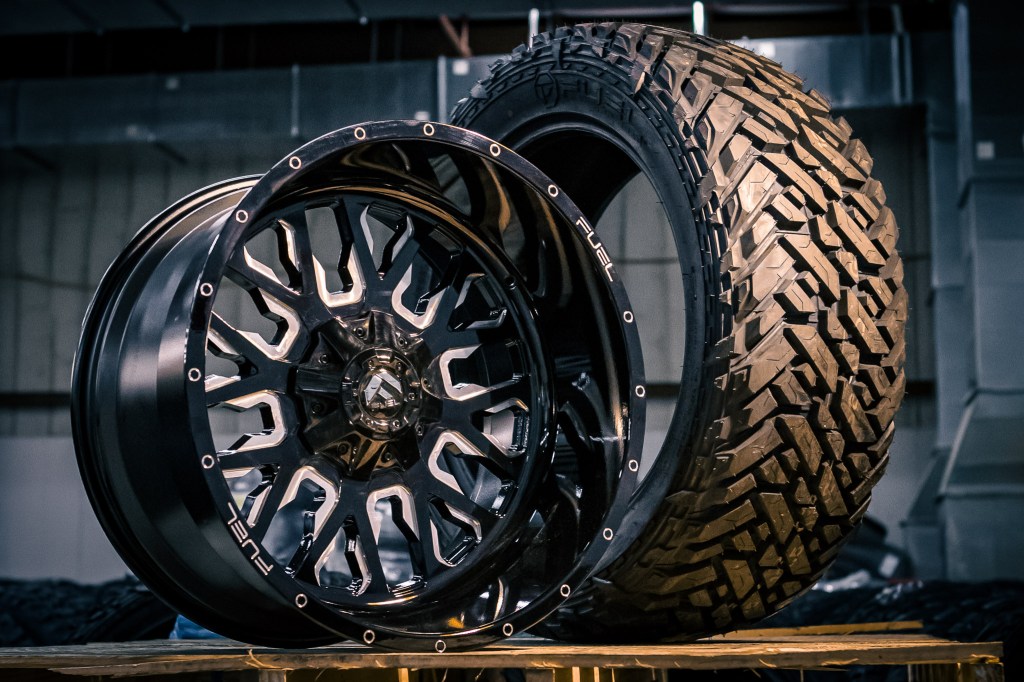
If a truck has an aftermarket wheel-and-tire package, the dealer would not be able to void your warranty for an issue such as engine failure, since the two elements are unrelated. The best way to defend yourself is with concrete evidence that aftermarket parts have not caused the damages.
Lemon Laws are protections for consumers who purchase or lease vehicles that are defective. These laws mostly apply to new or lightly driven vehicles and require the manufacturer to provide a reasonable number of repair attempts before offering a refund or replacement.
QUESTIONS?
Connect with a Krietz Customs Build Specialist!
Dealer Discretion
Before denying a warranty claim, The dealer must prove that an aftermarket part was the cause of mechanical failure. Because of this, there is always a risk attached to installing aftermarket upgrades without proper experience or the help of a professional.
To prevent a voided warranty and damage to your truck, do the necessary research to ensure your vehicle is outfitted with the correct parts, and make sure those parts have been installed correctly.

View All IN Stock Inventory
What do modifications Affect?
Proper maintenance can prevent certain issues from arising in your truck. Factory ball joints must be supported with upper control arms, and it’s suggested that the joints be replaced every five years. This is especially important on lift kits of six inches or higher.
Krietz Customs offers a unique warranty that covers any of the aftermarket modifications that we perform on-site. Because we are working on heavily modified vehicles on a day-to-day basis, additions such as suspension, wheels, and tires are protected under this warranty.
Are your parts OEM Compatible?
Parts such as sway bars, ball joints, and driveshafts are not usually covered by most warranties, because their function is directly influenced by changes in suspension. To protect these parts of your vehicle, make sure to seek out upgrades that are OEM compatible.
Parts from the OEM, or Original Equipment Manufacturer, must be compatible with aftermarket upgrades in order to prevent damages or inferior vehicle performance.