Does lifting your truck ruin it’s towing ability? This guide covers exactly how a lift kit can affect towing performance – and what you can do to improve it.
WHat Towing Capacity Means
Towing capacity is a very general term, but it’s not as simple as the maximum amount a truck can pull. Manufacturers determine towing capacity by testing how much a truck is able to tow in a safe manner. This amount is calculated using the vehicle’s engine power, braking ability, frame strength, and suspension. While many trucks are able to exceed the manufacturer’s set capacity, towing heavier than recommended often results in unsafe driving conditions and damage to the vehicle. Tow ratings are established with safe operation as a top priority.
Weight Distribution
Most trucks are built with towing in mind, with the weight of the vehicle being distributed either 50/50 between the front and rear wheels, or 60/40 with additional weight towards the front. It’s such an important factor that even your trailer’s weight and cargo must be evenly distributed. Many of the towing problems people often associate with lifted trucks are actually a result of improper or unsafe weight distribution. If the weight is not properly distributed, the trailer will sway, and steering is more difficult to control. These risks are even more severe when driving at high speeds.
How do Lifts and Other Upgrades Affect Towing?
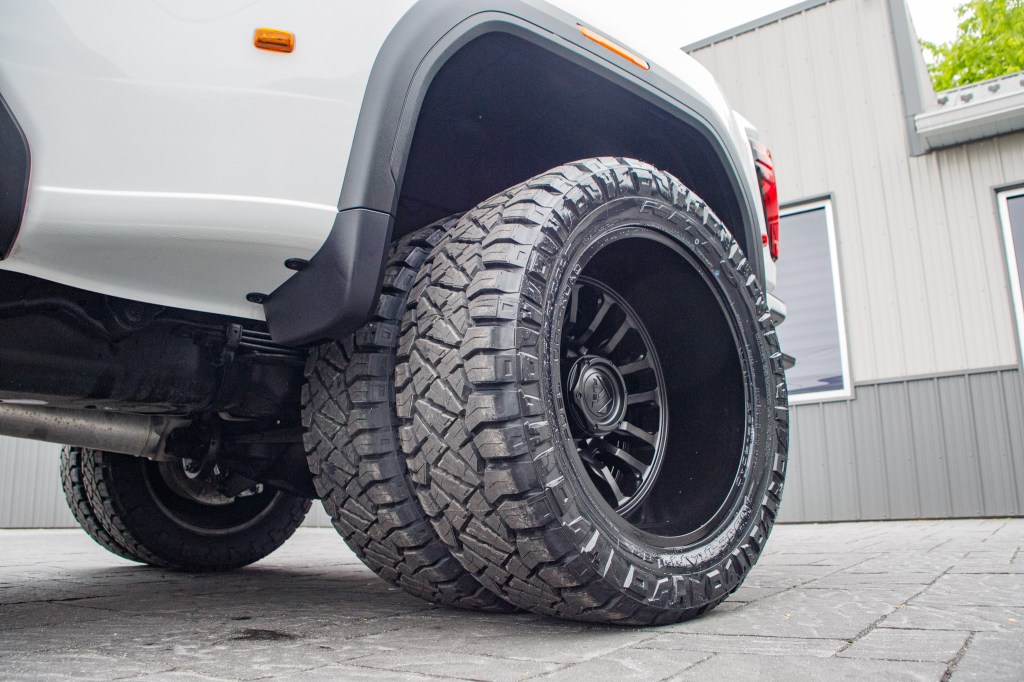
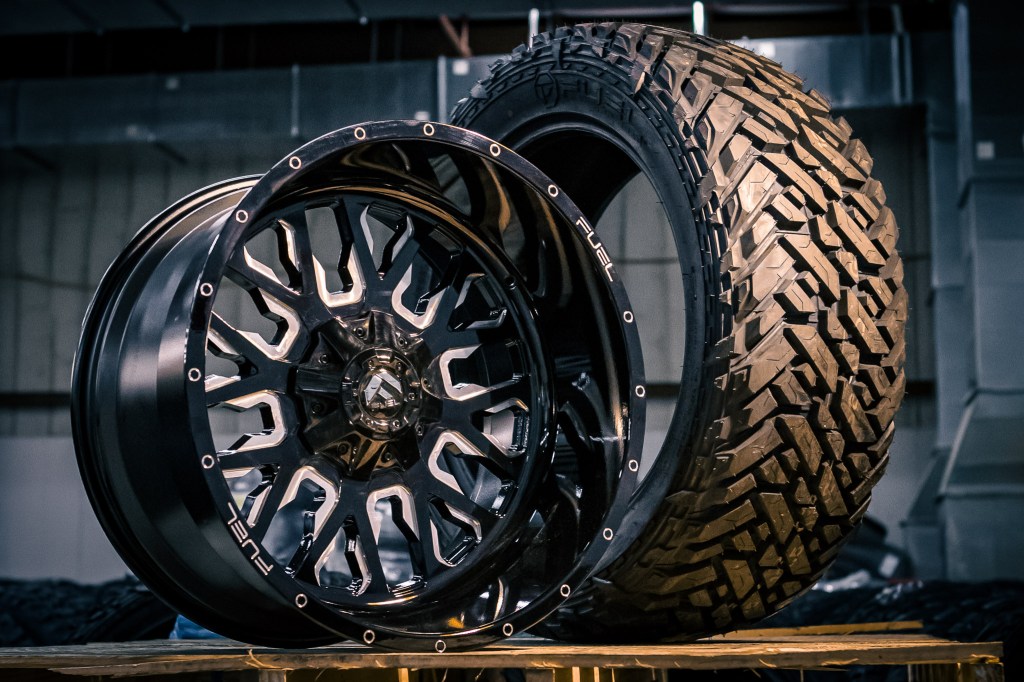
Lifts aren’t the only aftermarket part that can impact towing. Adding larger tires can add extra weight to the vehicle, which can strain the transmission and reduce fuel economy. These tires create “taller gearing”, which means the engine is rotating less for reach turn of the tires. This increases the workload of the drivetrain, but re-gearing the axles is a way that these effects can be minimized.
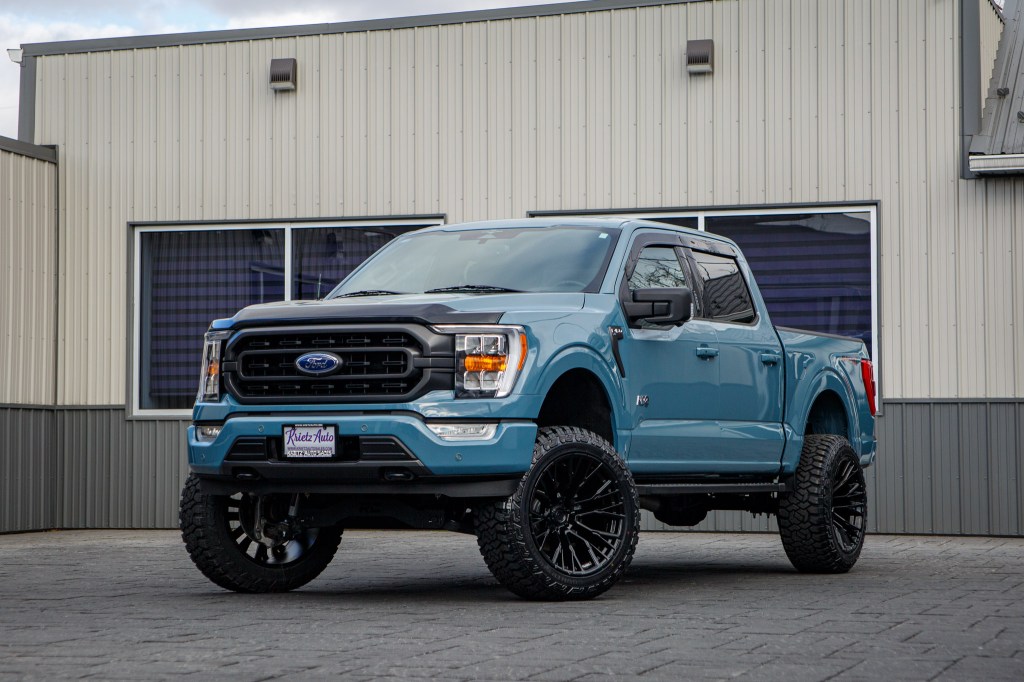
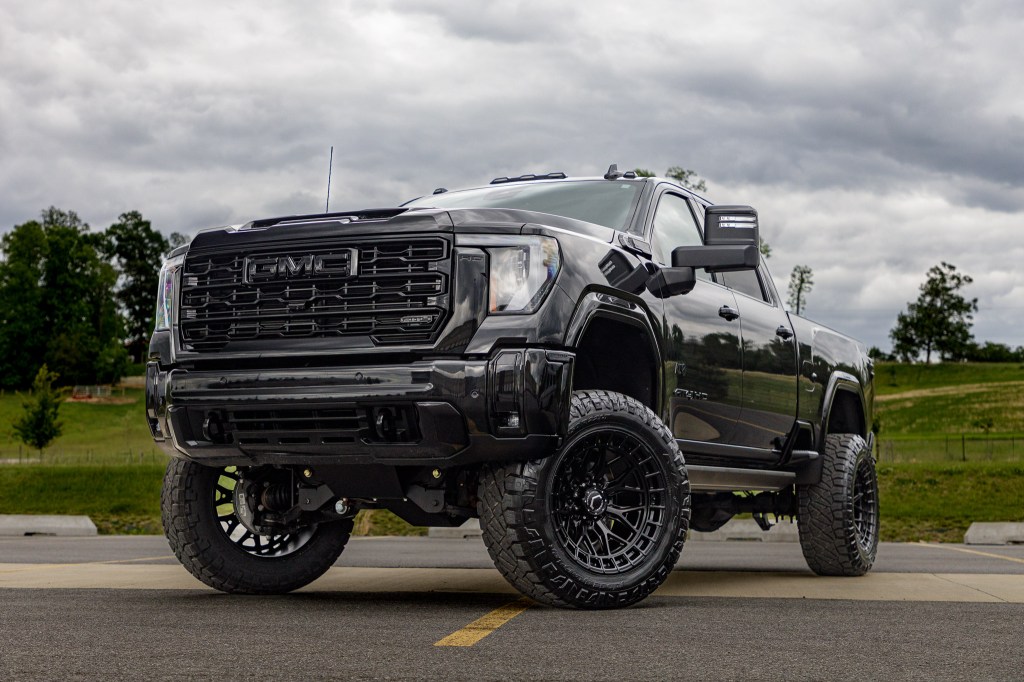
Lifting a truck raises the center of gravity, which means a trailer would sit at an angle if it’s attached using a normal hitch. This can destabilize the trailer and restrict the vehicle’s handling. Gen-Y or Gooseneck hitches can offset this, allowing the trailer to remain level even at increased ride height.
Squatted trucks also offset the truck’s center of gravity due to their raised front. These trucks are not ideal options for towing, as the trucks rear will dip even further, reducing visibility and interfering with suspension components.
Not all the aspects of a lift negatively effect towing. With properly installed suspension from reputable brands such as BDS, Cognito, or ICON, your lifted truck will effectively maintain stability and continue to tow correctly. Air bags are another way to keep the rear end from sagging when a trailer is attached. Trailer brakes are also an important safety feature that increases control and reduces strain.
KEY Takeaways
While lifting a truck does not immediately ruin towing quality, problems can quickly arise without proper maintenance and compatible parts. Lift size isn’t the only factor that affects towing. With high quality suspension and correct weight distribution, towing with a lifted truck can be nearly identical to stock towing. However, towing with extreme frequency or excess weight still causes strain to the vehicle – It’s always important to keep safety in mind whenever you’re towing with a lifted truck.